
Eurovision winner Dara on her upcoming album, chasing dreams and mental health struggles (EXCLUSIVE)
Through mental breakdowns, a Eurovision trophy and going independent, Dara is entering a new era – and she wants you to come along with her
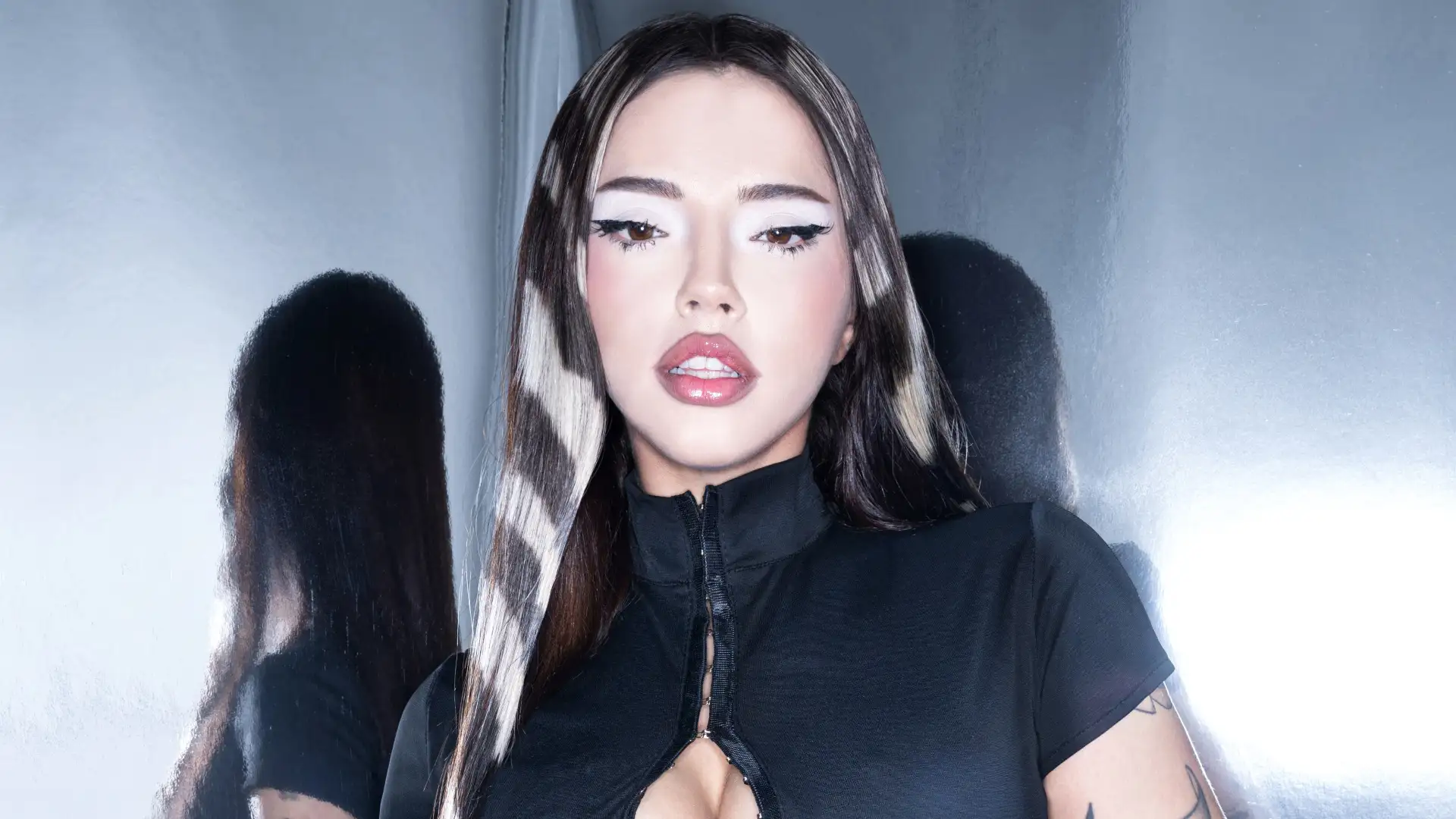
Making history for her home country this year, Dara took home the Eurovision Song Contest 2026 trophy for Bulgaria with ‘Bangaranga’. With a sensational stage presence, a catchy tune and an infectious smile, Dara won over voters’ hearts with 516 points. Now, nearly a year later, Dara is entering a hot new era with her new single, ‘BAD IDEA’.
Marking her first single as an independent artist, Dara recalls a time before Eurovision when happiness and success didn’t seem within reach. Winning the contest gave her a new spark of life, a new purpose for her country and, moreover, an upcoming full-length English album.
Attitude: Tell me about your new release
DARA: This is my first single as an independent artist, under my own label, which is a huge thing for me.
We made it in Crete; it’s a magical island and, like the title, it’s a great setting to have bad ideas. The energy around the production of the album was amazing. The first thing that stood out when my producer played me the demo was the catchy intro of the song; it was perfect. I’ve always been a fan of mixed styles and it worked really well – I knew I wanted to incorporate techno elements and beat drops. There was a lot of experimenting with different sounds to get it right.
We even threw a party when it was done and listened to the whole album – that also helped me decide to drop this song first.
You got the world’s attention winning Eurovision with ‘Bangaranga’, how are you going to keep it?
I’m dropping the new album at the start of next year to kickstart my new era – Icona Classic. It’s my first fully English album, along with all the other firsts for me this year – I’ve got so much to be thankful for, and I think it’s come at the right time.
We wanted to create something that would be good when played on the radio and in the club, which is hard to do. It’s not easy creating songs that can work for both places, but I think people are going to love it.
What are the themes of the album?
I wanted to help my fans’ dreams come true and give them a kind of formula to do that. It’s so hard to put so many messages in three minutes, but I wanted to take them on a journey with me. One that we could experience together.
What was your last year like?
It was amazing. It changed me as a person. I went through a pretty rough time at the beginning of the year, struggling with my mental health and mental breakdowns. I then quickly had to prepare myself for the Eurovision stage and had to learn how to not only believe in myself but feel good about it and present it, be magnetic. So, I needed to go through a shift and transform myself.
It was Eurovision’s first-ever win for Bulgaria, is there a strong sense of national pride?
I’ve been so proud, not even of getting first place but more the hope it gave to people. When I came back to Bulgaria, I saw how a fire had been lit within my fans; they realised everything was possible. It’s so hard coming from Bulgaria – Bulgarians don’t tend to believe in themselves or dream that much.
What about the nerves during the contest?
For nine months I was writing in my journal ‘I’m going to win Eurovision’. By the time of the final, everyone was asking if I was scared or excited, but I was so insanely calm. Nirvana. There was only love in my heart. I felt so at peace while they were saying my name; I had to act surprised – so people didn’t think I was in shock.
I’ve learnt to just keep going, I meditate a lot, and journal, I have a lot of rituals.
Where’d you put the trophy, is it in your house?
Yes. It’s in the place where I’ve always imagined it, and it fits perfectly – I never even measured it. It was meant to be there. I’m now measuring everything for a Grammy.
You told me the new album is one for the gays – why does your music appeal to the LGBTQ+ community?
They actually crowned me the queen of LGBT in Bulgaria this year; they gave me a special medal and everything. I’ve even got a rainbow tattoo on my arm.
I hope the gays love the new album. In Bulgaria it’s important to speak about the community because people still don’t know how to react to certain things. For me it’s not even a question – you need to grow up and that’s it. I was born with the idea that everyone can be anything they want to; judging this and judging the way people want to live is like judging me – I take it really personally.
What’s inspiring you at the moment?
I’ve been listening to a lot of electronic music and techno since I found out I had ADHD a year ago, I’d quit smoking and I just couldn’t think straight. I went on a trip to Berlin with my husband, and hearing all the techno music in the clubs there – I realised it was actually helping me think. The fast BPM of it just helps my brain, I think it works at the same speed – which is why I started DJing as well and incorporated techno into my new songs.
I love PinkPantheress – the fact she produces her own music and is involved so much really inspires me. I think we female artists need to produce our own things to truly find our own sound. Producers often don’t have all the time needed to sit down with you and help you with that. It’s not easy for us girls, men in the business want to boss you around, and I struggled for so long with that. I learnt production for two years just to have my freedom – I might not produce my whole album, but it lets me have my say.