What’s life like dating as a non-binary person later in life? Skylar Lyralen Kaye on dating apps in their 60s
A budding writer since the age of 12, Kaye has written for decades, though Bachelorx marks a turning point: their upcoming memoir is the first time they present their complete, authentic self, reflecting on a lifetime of lived experience
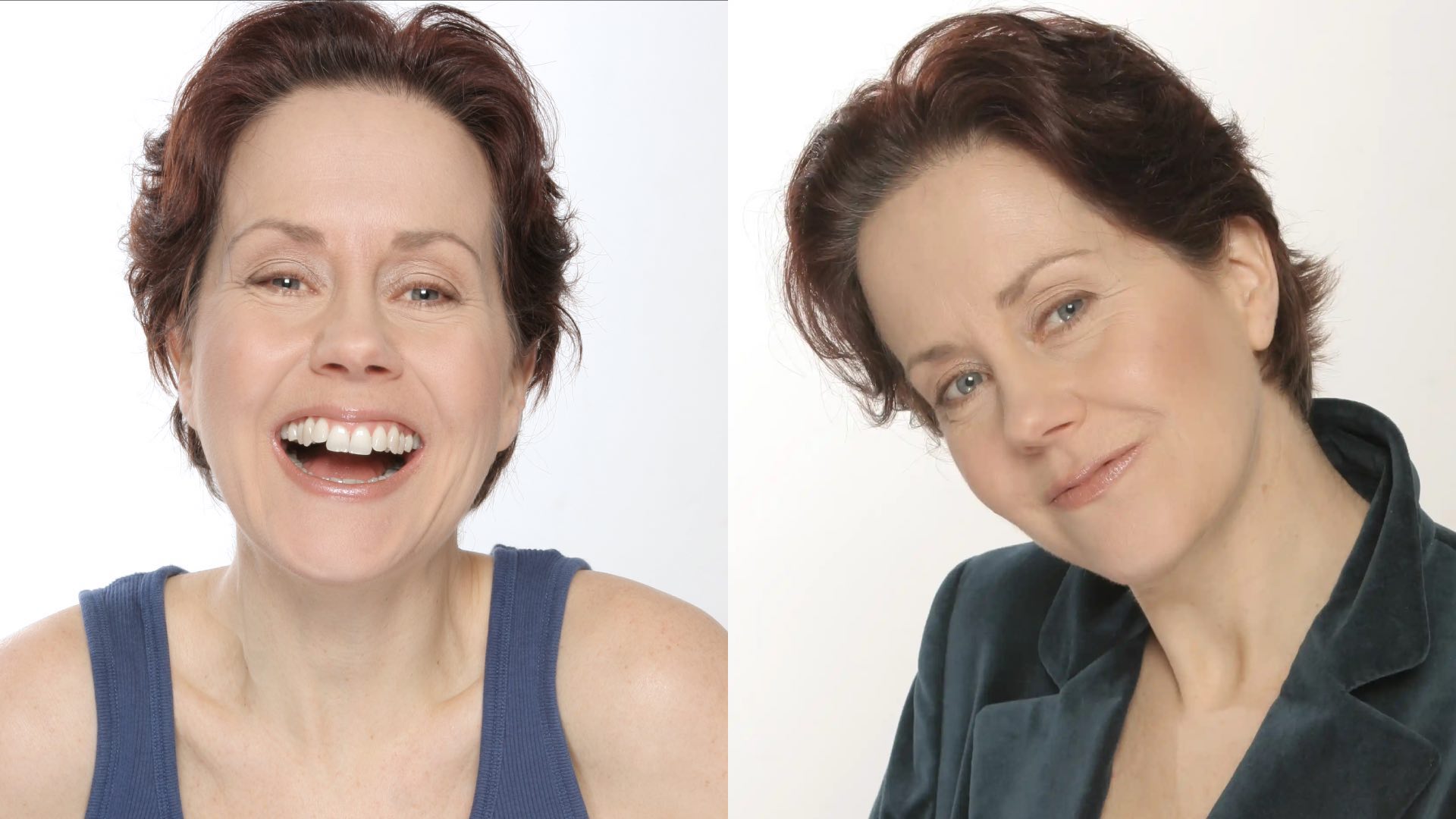
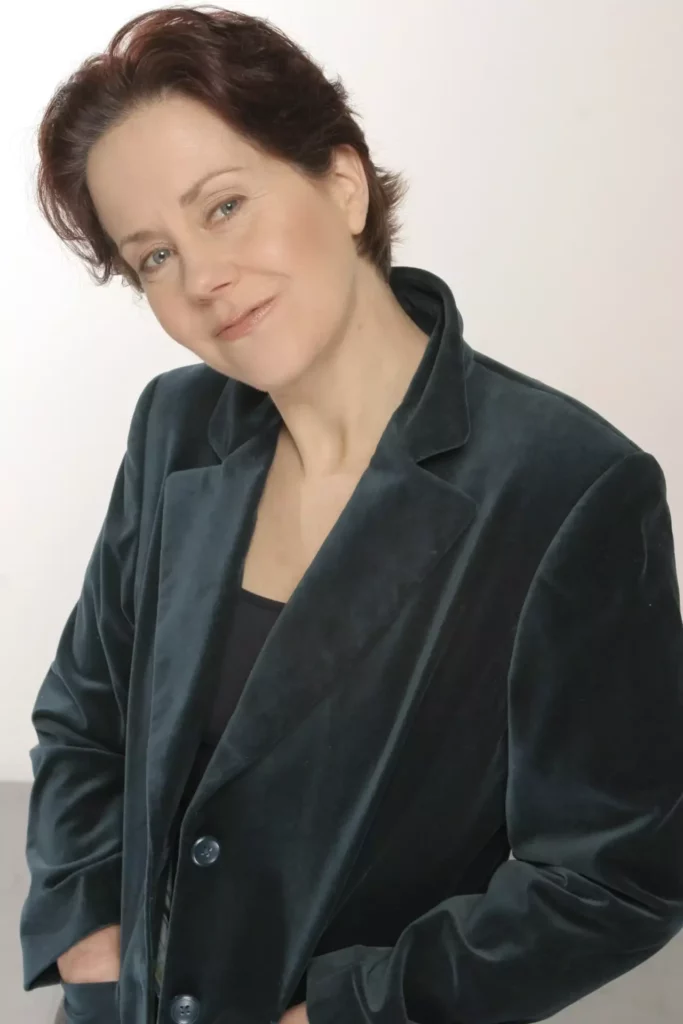
In their 60s, queer and non-binary author Skylar Lyralen Kaye revisits life after leaving a decades-long marriage and diving into the world of modern dating apps.
In their forthcoming memoir Bachelorx, Skylar reflects candidly on dating later in life while navigating their identity against the reluctant tide of labels, ages and pronouns amongst her generation.
From going against generational norms to experimenting with different types while dating, at 66 years old, Kaye continues to hold hope that labels will subside.
The stage lights reflect the red of the curtains behind stand-up comedian Suzanne Westenhoefer, whose long blonde hair and dark lipstick announce femme and that this is Women’s Week, as she tells a joke making fun of a non-binary teen.
“Face it,” she says, “You’re a girl.”
I freeze in my seat. As a non-binary person, I anticipated transphobia at these kind of events, but this exceeded my catastrophising heart’s worst imaginings.
Just out of a 35-year marriage, I was here on a date. A date that was supposed to be a weekend.
I made an excuse and walked out of the club.
The woman I was dating had never known a non-binary person her own age. Like many lesbians in their fifties and sixties, she had a young relative who’d come out as enby. With no other experience, she forgot my pronouns regularly. At first, she had even demanded leeway and said I should be forgiving. Non-binary people didn’t have it so bad anymore. Look at Gen Z. Her nephew didn’t care about pronouns the way I did.
This was before Donald Trump’s inauguration speech erasing non-binary identity altogether.
What does “t for t” mean?
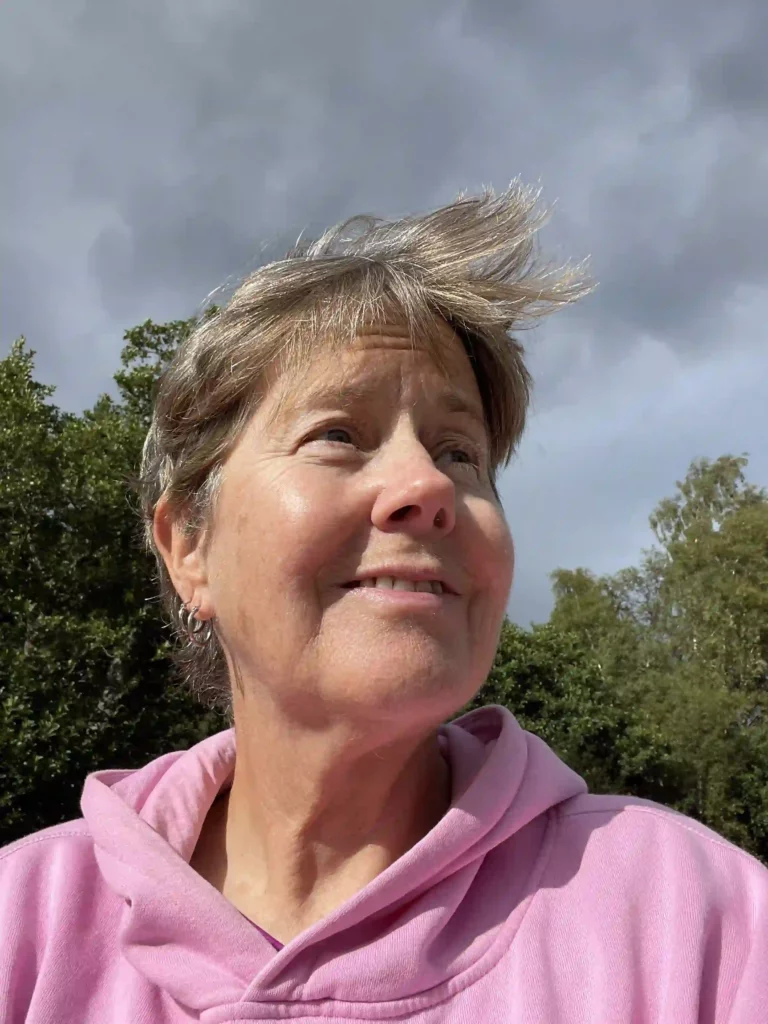
Oh, to be dating as non-binary in your sixties. I started out very t for t, trying to date other trans and non-binary people.
The first person I dated was 25 years younger, trans and very attractive – he respected my gender. Unfortunately, he also drank, and I am sober.
I couldn’t find anyone else who wasn’t cis, and I am attracted to women, so I tried the dating app Her.
As it turns out, a gender-fluid person is desirable to both butches (who see you as femme) and femmes (who see you as butch). Another problem is, as Leslie Jones says, by this age all the apps could be combined into one and called, What’s Left. Not to mention that lesbians in any small city have all dated each other. And each other’s exes. Anyone new on the scene is automatically put into spotlight. Time is running out, and if the great love affair hasn’t happened yet, and you’ve dated 20 or 30 people over your lifetime, you’re wondering if it ever will. You’re willing to give anyone new a chance. Even a gender you don’t understand and aren’t particularly curious about.
The generational divide in the LGBTQ+ community
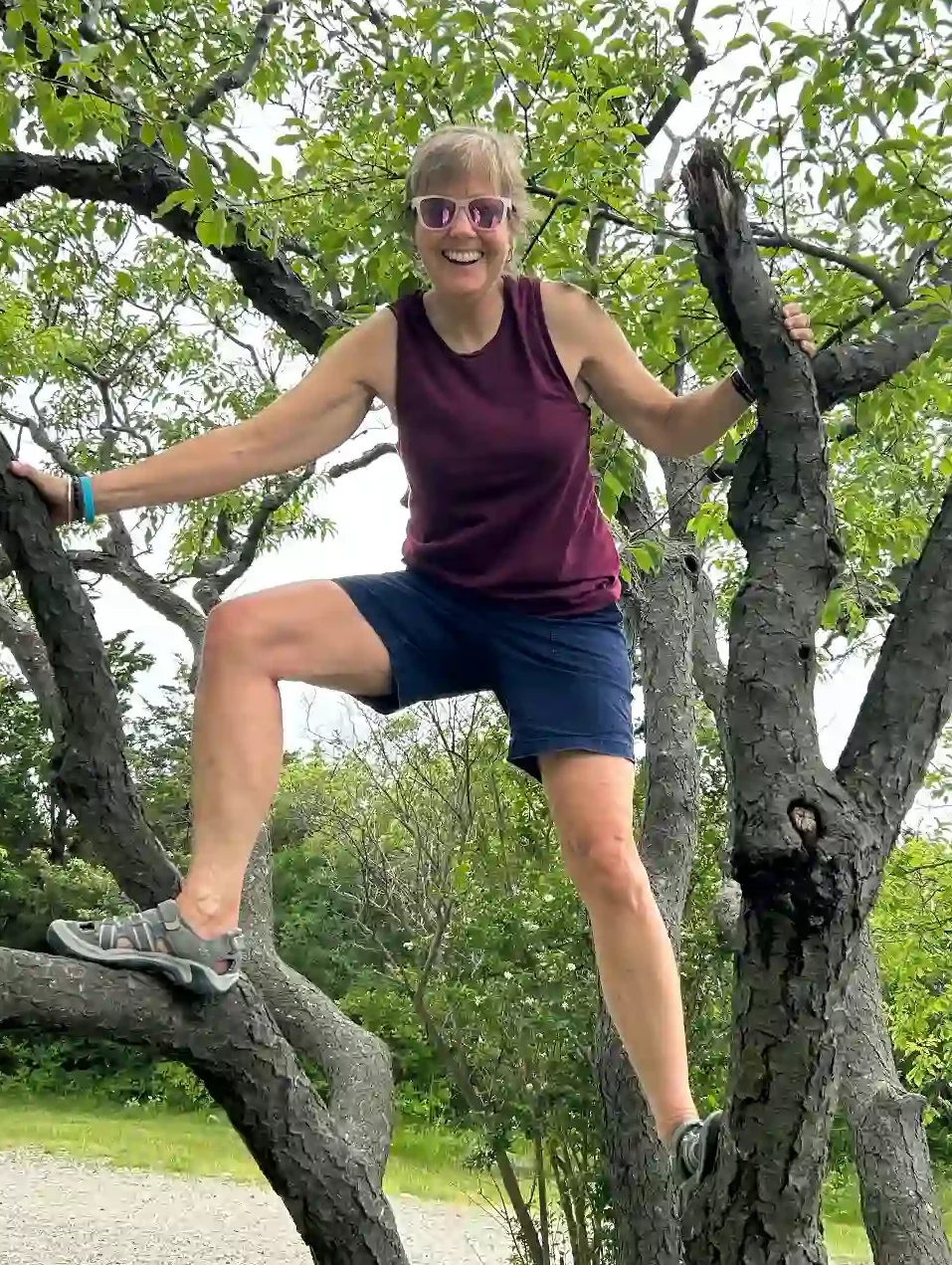
There’s a deep generational divide in the LGBTQ+ community between younger queers – Gen Z and Millennials – who see gender as an expansive unlimited constellation, and Boomers and Gen X, who complain that new pronouns are too hard and what’s the difference between butch and trans-masc anyhow? (As if trans-masc is the only way to be non-binary, which, of course, it’s not.)
The few popular books on women dating women – Conscious Lesbian Dating, Lesbian Love Addiction – address the struggle of women to find enough self-management to ease their lifelong loneliness, describing the sad underbelly of substance abuse, love bombing and urge-to-merge terror of intimacy. The women who write them attempt to include non-binary identity by mentioning that we exist, but they don’t have case histories. The lesbian world is insular.
Non-binary people have no roadmap
Gender permeates every layer of dating, from initial contact and who holds open the door to sexuality, where gender is expressed on the most intimate level of who we are. This is why we in the trans and non-binary community love t for t. When you date someone who’s not cis, they know the questions to ask. They don’t have decades of assumptions as to how relating and sex happen. Unlike members of Gen Z, who are so open they’re as likely to be poly as monogamous, older women have fixed ideas with little incentive to change them.
And yet – to be openly non-binary and date a woman, but not as a woman, there’s something so erotic and affirming about that. It’s why some trans men I’ve interviewed go stealth; they feel their gender can only be affirmed by straight women.
No roadmap means either adventure or oppression even in your most intimate moments.
Dating is trial and error
Dating is trial and error. If you’re a non-binary Bachelorx, like me, you’re making it up as you go along. Will you touch me like you see my gender? Will I answer questions you don’t even know to ask? Will we step outside the older generational cliché of sticking to what we know and lean into a moment-by-moment new life?
The last woman I dated was Portuguese. English was her fourth language. She mastered the pronouns in two weeks! She didn’t see me as female and felt I was the right gender for her.
That’s the answer. Seeing the gender right in front of you, rather than applying a binary. Because hell, after years of searching, you might actually find your person.
Bachelorx: a Nonbinary Memoir by Skylar Lyralen Kaye comes out 1 April 2026.
Get more Attitude